

 See My Latest Article on HelloNation
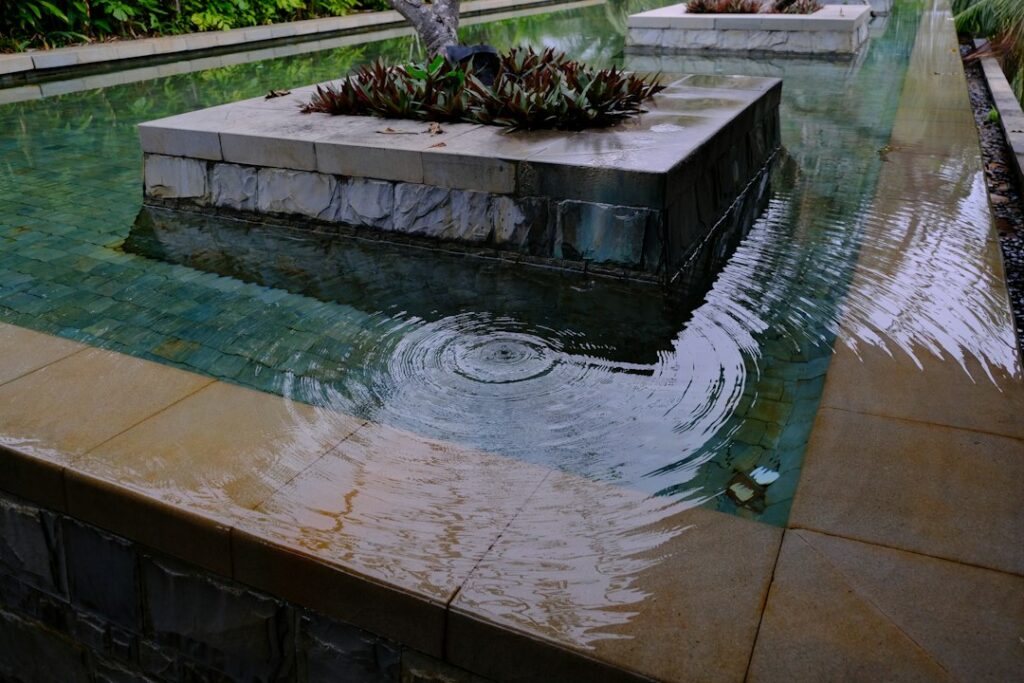
Water features can add sound, movement, cooling, and wildlife interest to an outdoor living area. The right choice depends less on size or decoration and more on drainage, sunlight, maintenance, safety, and how the space is used.
What types of water features work well outdoors?
The most practical options for residential landscapes include recirculating fountains, small ponds, disappearing waterfalls, bubbling urns, and shallow water bowls. Each creates a different experience and requires a different level of care.
- Recirculating fountains pump the same water through a basin or decorative structure. They are often suitable for patios, courtyards, and compact seating areas.
- Disappearing waterfalls allow water to flow over stone or another surface into a hidden underground basin. Because there is no open pond, they can fit neatly into planting beds and may be easier to keep free of leaves.
- Small ponds provide habitat for aquatic plants and wildlife but require more planning, filtration, and seasonal upkeep.
- Bubbling urns or vessels create a gentle sound with limited surface water. They can be useful where space is limited or where a lower-maintenance design is preferred.
- Water bowls offer a simple visual accent, although they may need frequent cleaning and refilling during hot weather.
A water feature should match the scale of the outdoor room. A large, forceful feature can overwhelm a small seating area, while a very small fountain may disappear in a broad lawn or planting bed.
Where should a water feature be placed?
Placement affects enjoyment, maintenance, and long-term performance. A visible location near a seating area, walkway, or frequently used window usually provides more value than a feature hidden at the far edge of the property.
Before choosing a location, observe the area during different parts of the day. Consider:
- Sun exposure: Direct afternoon sun can increase evaporation and encourage algae growth. Partial shade is often easier to manage, although excessive shade may limit the health of aquatic plants.
- Drainage: Water should not collect against the foundation, crawl space, retaining walls, or paved surfaces. Overflow needs a planned route away from structures.
- Electrical access: Pumps and lighting may require outdoor-rated electrical equipment and ground-fault protection. Extension cords running across walking areas are not a suitable permanent solution.
- Visibility: A fountain is more likely to be enjoyed when it can be seen and heard from a patio, kitchen window, or commonly used path.
- Leaf and debris exposure: Locating a feature beneath heavy tree cover may increase cleaning and clogging.
- Service access: Filters, pumps, and basins need to remain reachable for inspection and cleaning.
In Lexington, SC, outdoor spaces commonly experience hot, humid summers, periods of heavy rain, and seasonal leaf drop. A design that accounts for evaporation, stormwater, and debris will generally be easier to live with than one selected only for appearance.
How large should a residential water feature be?
Size should be based on the surrounding space, the intended sound level, and the amount of maintenance a household is willing to perform. A feature does not need to be large to create a noticeable effect.
For a compact patio, a small bubbling vessel or wall-mounted basin may be enough. In a larger yard, a low waterfall or pond can become a visual anchor. The feature should leave adequate room for walking, furniture, mowing, and plant growth.
Sound also matters. A narrow stream over stone may produce a distinct trickling sound, while a deeper drop can create louder splashing. Water that falls too forcefully may be distracting near conversation areas. In many cases, a gentle, continuous flow is more comfortable than a dramatic cascade.
What materials hold up well in the local climate?
Durable materials include natural stone, concrete, glazed ceramic, brick, and properly finished metal. Each has advantages and limitations.
Natural stone blends with planting beds and can conceal minor wear, but rough surfaces may collect leaves and algae. Concrete offers flexibility in shape and size, though poorly installed or inadequately reinforced surfaces can crack. Ceramic vessels provide a finished appearance but may be vulnerable to impact or shifting ground. Metal accents can develop a patina, but some finishes require periodic care.
The basin or reservoir should be stable and properly supported. Uneven settling can cause water to spill where it should not, place stress on plumbing, or leave pumps partially exposed. Any buried basin should be protected from soil movement and designed so that overflow does not wash out nearby planting beds.
How much maintenance does a water feature require?
Most water features need routine attention, even if they are designed to recirculate water. Maintenance is usually easier when small problems are addressed before pumps or basins become heavily clogged.
Typical tasks include:
- Removing leaves, twigs, and insects from the water surface
- Cleaning pump screens and intake areas
- Checking water levels during hot, dry periods
- Clearing algae before it spreads
- Inspecting tubing, fittings, and overflow paths
- Trimming plants that block circulation
- Cleaning filters according to the equipment instructions
- Draining or protecting vulnerable components during unusual cold conditions

Evaporation can be significant during summer. Water should be added gradually, and the source should be suitable for the equipment and aquatic plants. If water disappears unusually quickly, the cause may be a leak, splash-out, damaged tubing, or an overflow problem rather than normal evaporation.
Algae is more likely when water is warm, stagnant, nutrient-rich, or exposed to extended sunlight. Better circulation, less organic debris, shade from appropriate plants, and avoiding excess fertilizer near the feature can help reduce growth.
Are water features safe around children and pets?
Open water requires thoughtful safety planning. Even shallow basins can present a risk to young children, and pets may drink from or disturb the water.
Safer design choices may include a disappearing waterfall, a raised basin, a narrow water channel that cannot be easily entered, or a feature positioned away from play areas. Smooth edges should not create slipping hazards, and surrounding paving should provide reliable traction when wet.
Electrical components should be installed and protected according to applicable safety requirements. Pumps, lights, and wiring need to be rated for outdoor use and placed where they cannot be damaged by routine yard activities. A feature near a pool, play space, or frequently traveled walkway deserves especially careful planning.
Can a water feature support birds and beneficial wildlife?
Yes. A shallow, clean water source can attract birds and provide drinking or bathing opportunities. Wildlife-friendly features should include a shallow edge, textured surfaces, and a way for small animals to exit if they fall in.
Water should be changed or refreshed regularly to reduce odors, mosquito breeding, and contamination. Moving water is less likely to support mosquitoes than stagnant water, but circulation alone does not eliminate every concern. Any container that holds water should be checked after rain and cleaned when sediment or organic matter accumulates.
Avoid placing bird-friendly water directly beneath dense branches if falling debris will make sanitation difficult. Nearby shrubs can provide shelter, but overly dense vegetation may also make the feature harder to monitor.
What mistakes should homeowners avoid?
Common problems usually begin with poor planning rather than with the water feature itself. Avoid placing a basin where overflow can reach the house, choosing a pump that is too weak for the design, or using a feature that is oversized for the available space.
It is also easy to underestimate seasonal maintenance. A design that looks simple may still require regular cleaning, water replacement, pump checks, and control of surrounding vegetation. Decorative gravel, mulch, and loose soil should be kept from washing into the basin during heavy rain.
The most successful water features function as part of the outdoor space rather than as isolated objects. Their location, sound, scale, safety, planting, drainage, and upkeep should all support the way the household actually uses the yard.