

 See My Latest Article on HelloNation
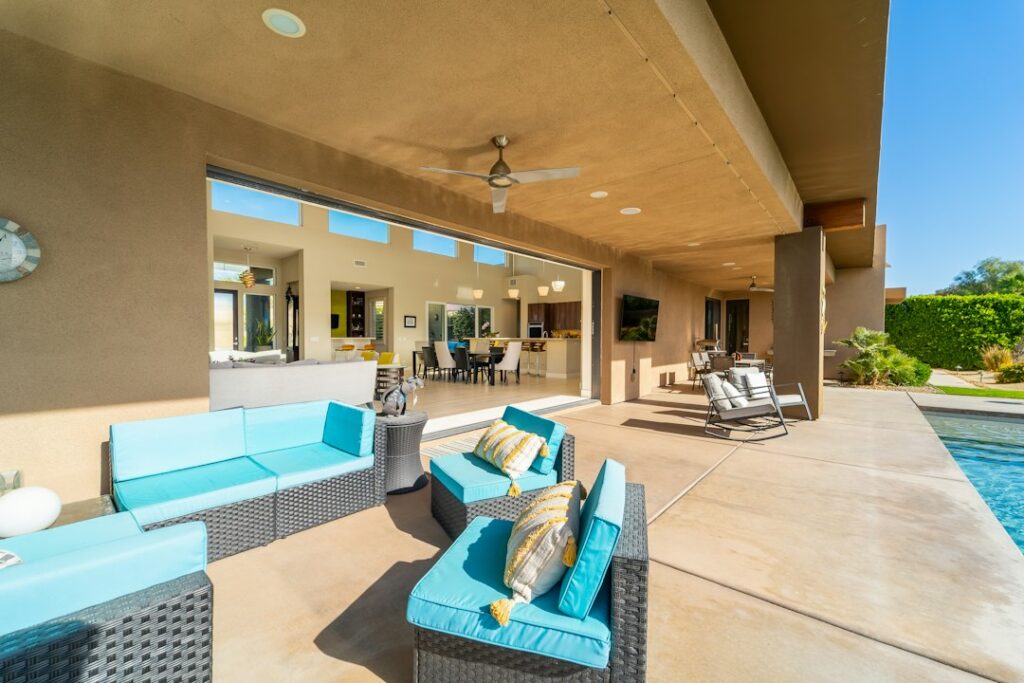
Covered patios can be useful throughout the year when they are designed for heat, humidity, heavy rain, cool evenings, and changing sun angles. In Lexington, SC, the most comfortable outdoor spaces usually combine reliable overhead protection with airflow, drainage, shade control, and flexible furnishings.
What makes a covered patio practical year-round?
A year-round covered patio needs to do more than block sunlight. It should manage several competing conditions:
- Summer heat and humidity
- Sudden rain and runoff
- Low winter sun
- Cool evenings and occasional freezes
- Insects and outdoor debris
- Strong breezes during storms
- Moisture that can damage furnishings or encourage mildew
A roof or solid cover provides the basic protection, but comfort depends on the entire layout. The patio surface, roof height, screening, lighting, furniture, and drainage all affect how often the space can be used.
A covered area that is too enclosed may feel stagnant during warm weather. A structure with too little protection may still be uncomfortable during wind-driven rain. The goal is usually a partially open design that allows air movement while providing dependable shelter.
Which roof styles work well for changing weather?
A solid roof offers the most consistent protection from rain and intense sun. It also creates a more room-like setting for dining, reading, or outdoor gatherings. A sloped roof is especially useful because it directs water toward gutters or planned drainage points instead of allowing water to collect near the foundation.
A pergola-style roof with open rafters provides filtered shade but does not provide complete rain protection. It may work well when the primary goal is reducing glare and direct sunlight, but it should not be treated as a weatherproof covering.
Some patios benefit from a combination approach:
- A solid roof over the main seating or dining area
- Open sides for cross-ventilation
- Adjustable shades on the sunniest side
- A smaller uncovered section for plants or grilling
- Gutters and downspouts directed away from walkways and the home
Roof orientation also matters. A covered patio facing west may receive strong afternoon sun, even under a roof with open sides. Exterior shades, screens, or movable panels can help control glare without permanently blocking breezes.
How can a patio stay cooler during warm weather?
Airflow is one of the most effective ways to improve summer comfort. A covered patio should not be sealed on every side unless there is a specific reason, such as insect control or seasonal enclosure.
Ceiling height can influence how heat collects beneath the roof. Higher ceilings generally allow warm air to rise, while a low roof may hold heat close to the seating area. A properly rated outdoor ceiling fan can improve comfort, but it should be installed only where the structure and electrical system can support it safely.
Other cooling strategies include:
- Using light-colored roofing or ceiling materials
- Placing seating where cross-breezes are most likely
- Adding shade on the western side
- Choosing furniture that does not retain excessive heat
- Using outdoor rugs that dry quickly
- Keeping grills and heat-producing equipment away from enclosed walls
Plants can provide shade, but vines and dense vegetation should not be allowed to trap moisture against the roof, siding, or framing. Fast-growing plants may also add weight and maintenance demands.
What helps a covered patio handle rain?
Rain management should be considered before furniture or decorative features are added. A roof can protect the seating area while still sending a large volume of water toward the patio edge.
Gutters and downspouts should discharge water where it will not wash out soil, flood a walkway, or collect beside the foundation. Downspout extensions, splash blocks, or underground drainage may be appropriate depending on the property’s slope and soil conditions.
The patio surface should have enough slope for water to move away rather than ponding beneath furniture. Smooth surfaces can become slippery when algae, pollen, or leaf debris accumulates, so regular cleaning is part of year-round maintenance.
For screened or partially enclosed patios, pay attention to wind-driven rain. Screens reduce insects but do not stop all moisture. Removable outdoor curtains or roll-down shades can offer additional protection during light rain, but they should be allowed to dry fully before storage.
Are screens useful in this climate?
Screens can make a covered patio more comfortable by reducing mosquitoes and other insects while preserving much of the outdoor feeling. They are especially useful for dining areas and evening seating.
Screening also has limitations. It can reduce airflow, collect pollen, and require repair after storm damage. A fully screened patio may become warm if the roof and walls block too much ventilation.
A balanced design often uses screening on the sides most exposed to insects or prevailing weather while keeping another side more open. Screen doors should close securely, and the lower edges should be protected from pets, lawn equipment, and frequent foot traffic.
For households that want more seasonal flexibility, removable panels or outdoor curtains can provide privacy and wind protection without turning the patio into a permanent enclosed room.

What furnishings hold up best outdoors?
Year-round outdoor furniture should be selected for moisture, sunlight, and temperature changes. Materials that dry quickly are generally easier to maintain than thick cushions that remain damp after rain.
Useful features include:
- Removable, washable cushion covers
- Elevated furniture legs that allow airflow underneath
- Rust-resistant frames
- Fabrics rated for outdoor exposure
- Storage space for cushions and seasonal accessories
- Tables with surfaces that do not absorb water easily
Even under a roof, furnishings are exposed to humidity and airborne moisture. Cushions should not be left pressed against damp walls or stored while wet. A covered storage bench can help, but it also needs ventilation to prevent mildew.
Avoid overcrowding the patio. Leaving room around furniture improves airflow, simplifies cleaning, and provides a clear path during rain or emergency situations.
How should lighting and electrical features be planned?
Lighting makes a covered patio more useful during winter evenings and shorter days. Layered lighting is usually more comfortable than relying on one bright fixture.
A practical arrangement may include:
- A central ceiling fixture for general lighting
- Wall or post lighting near steps
- Low-level lighting along walking paths
- Focused light over dining or food-preparation areas
- Dimmable fixtures for quieter evenings
Outdoor electrical components need protection from moisture and should be installed according to applicable safety requirements. Extension cords running across walkways are poor long-term solutions because they create trip hazards and may be exposed to water.
Heating equipment also requires careful placement. Any outdoor heater, fire feature, or grill should have adequate clearance from roofing, screens, curtains, siding, and combustible furniture. Never use an enclosed combustion appliance in a space without sufficient ventilation.
Do covered patios require permits or approval?
Requirements depend on the type of work, property location, and whether the structure is attached to the home. In Lexington County, the building permit guidance lists patios among work that may not require a building permit, while construction, enlargement, or alteration of a building or structure can require permitting. Zoning requirements may also apply. ([lex-co.sc.gov](https://www.lex-co.sc.gov/departments/community-development/building-permits/building-permits-faqs?utm_source=openai))
A simple ground-level patio surface is different from a roofed structure, attached porch, screened room, or patio supported by new footings. Before construction, homeowners should verify the current requirements for the specific property, including setbacks, drainage, easements, structural connections, and electrical work.
What is the most overlooked year-round consideration?
Drainage is often overlooked because it is less visible than furniture, lighting, or decorative finishes. Poor drainage can lead to muddy edges, standing water, foundation concerns, slippery surfaces, and premature deterioration of outdoor materials.
The best covered patio plans begin with how water will move across the property. Once that is resolved, the roof style, screening, furniture, lighting, and seasonal comfort features can be selected around the site’s actual conditions.