

 See My Latest Article on HelloNation
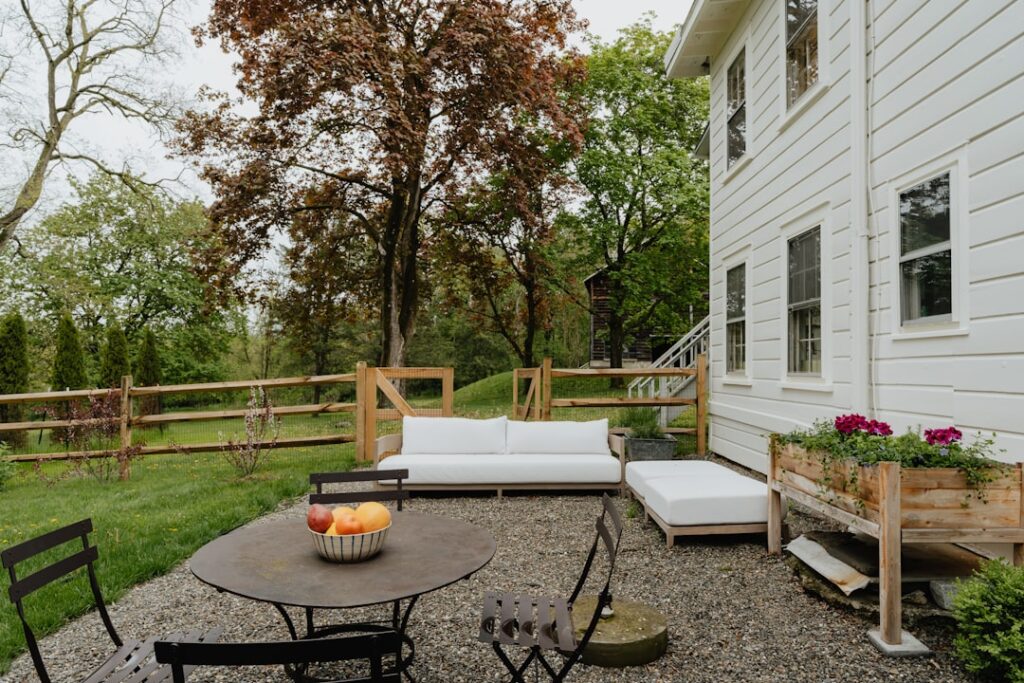
What Makes an Outdoor Living Space Well-Suited for Entertaining?
A successful outdoor living space for entertaining feels inviting, comfortable, and flexible enough to host gatherings large or small. Local households in Lexington often look for spaces that flow easily from indoors to outdoors, especially as the area’s mild seasons allow for much of the year to be enjoyed outside. Creating such a space typically involves thoughtful choices about shade, seating, privacy, and creature comforts, all matched to the area’s climate and common gathering styles.
How Can Residents Address Local Climate Challenges When Planning Outdoor Spaces?
The climate in Lexington features hot, humid summers, occasional rainstorms, and mild winters. This mix means outdoor living areas benefit from some form of shelter or shade, along with features that provide comfort during both heat and unpredictable weather.
Some practical approaches for area residents include:
- Adding pergolas, awnings, or retractable canopies to patios and decks for shade and rain protection.
- Using outdoor ceiling fans or misting systems to keep guests cool in summer.
- Selecting UV-resistant, mildew-proof materials for cushions and upholstery to withstand humidity and sun.
- Planning proper drainage and hardscaping to prevent muddy conditions during heavy showers.
Simple but thoughtful weatherproofing helps make outdoor areas in Lexington more useful throughout much of the year.
What Are Good Layout Options for Entertaining Guests?
The best layouts anticipate the ways people move and gather during events, whether for a family cookout or an evening with friends. For Lexington homes, larger yards and generous patios are typical, allowing for several functional zones within the same area.
Common layout strategies include:
- Creating separate seating clusters—like a dining table and a lounge area—rather than relying on a single set of chairs.
- Positioning grilling or outdoor cooking zones away from foot traffic but close enough to keep the cook part of the conversation.
- Leaving clear paths between the home’s entrance and outdoor amenities, with space to mingle.
- Locating lighting and power sources near seating areas for evening gatherings.
Varying types of seating—some shaded, some open—give guests options and keep the area comfortable no matter the time of day.
How Important Is Lighting for Outdoor Entertaining?
Proper lighting is essential for both ambience and safety. In Lexington, after-sunset entertaining is popular, particularly during warm months. Layered lighting—meaning a combination of different light sources—ensures the space functions well while looking appealing.
Key lighting approaches for outdoor settings:
- String lights above patio spaces or between trees add a festive feel.
- Low-voltage pathway lights guide guests safely across lawns or between outdoor features.
- Sconces or downlighting on fences, posts, or pergolas help set the mood and gently illuminate conversation areas.
- Portable lanterns or rechargeable lamps offer flexibility (and are handy during grill-outs).
Choosing fixtures rated for exterior use protects them from rain and humidity.
What Are the Most Practical Furnishings and Surfaces?
Lexington’s weather, including sun, humidity, and pollen, means durability is crucial. When selecting outdoor furniture and finishes, look for easy-to-clean materials that resist fading and mildew.
Recommended material choices:
- Powder-coated aluminum, teak, and all-weather wicker for seating and tables.
- Porcelain tile, composite decking, or sealed concrete for patios and walkways.
- Removable, washable cushion covers made from performance fabrics.
- Outdoor rugs resistant to mold and easy to hose off.
Movable pieces are popular for adapting the area to small or large groups, while built-in benches or planters can create defined spaces without blocking views.
How Can Privacy and Noise Be Managed in Neighborhood Settings?
Although Lexington’s neighborhoods vary, homeowners often seek to keep gatherings private and reduce unwanted sound—both for their comfort and to avoid disturbing neighbors.
Useful techniques for privacy and noise management:
- Privacy screens, lattice walls, or dense planting (like evergreen shrubs or bamboo) along fence lines.
- Strategic placement of taller furniture, pergolas, or trellises to shield seating from view.
- Water features, small fountains, or outdoor speakers playing calming sounds to mask street or neighbor noise.

Consulting any relevant Homeowners’ Association rules or local ordinances can be important, especially for visible changes or sound amplification.
What About Outdoor Kitchens, Firepits, and Other Features?
Including permanent features like grills, outdoor kitchens, or firepits transforms outdoor spaces from simple patios into full social hubs. Many area households in Lexington add these amenities as budgets allow.
Guidelines to consider for such additions:
- Place grills and fire elements at least several feet from the house for safety.
- Ensure seating is arranged far enough from cooking heat, but close enough to socialize.
- Use fire-safe surfaces (such as stone or brick) beneath grills, smokers, or firepits.
- Store fuel, utensils, and breakables in weather-resistant, animal-proof containers.
Take note of any local rules regarding open flames or smoke to ensure additions are safe and compliant.
How Can Residents Make Their Space Versatile Year-Round?
A well-designed area supports year-round enjoyment by adapting to seasonal changes. Lexington’s relatively mild winters mean outdoor spaces can often be used deep into the fall and early spring, with some adjustments.
Popular strategies for multi-season use:
- Adding portable heaters or a built-in fire feature to extend use beyond summer.
- Using removable shade canopies or roll-down screens to block strong sun or light wind.
- Storing cushions and decor in weatherproof containers during storms or pollen flushes.
- Choosing plantings that provide greenery or flowers at different times of year to keep the space lively.
Designing with flexibility in mind helps households entertain comfortably no matter the season.
Are There Common Mistakes or Overlooked Considerations?
Often, residents focus on the look or size of their outdoor area and overlook crucial details that impact long-term use and enjoyment.
Frequent pitfalls include:
- Neglecting to account for sun patterns—seating always in direct sunlight can go unused in summer.
- Underestimating the need for shade or shelter, resulting in an area that is only viable part of the year.
- Choosing furniture or surfaces that are difficult to maintain in the local climate.
- Ignoring local codes regarding setbacks, fencing, or open flames, which can lead to costly fixes.
Taking a little extra time to observe the space, plan for the seasons, and review local regulations helps avoid costly or uncomfortable missteps.