

 See My Latest Article on HelloNation
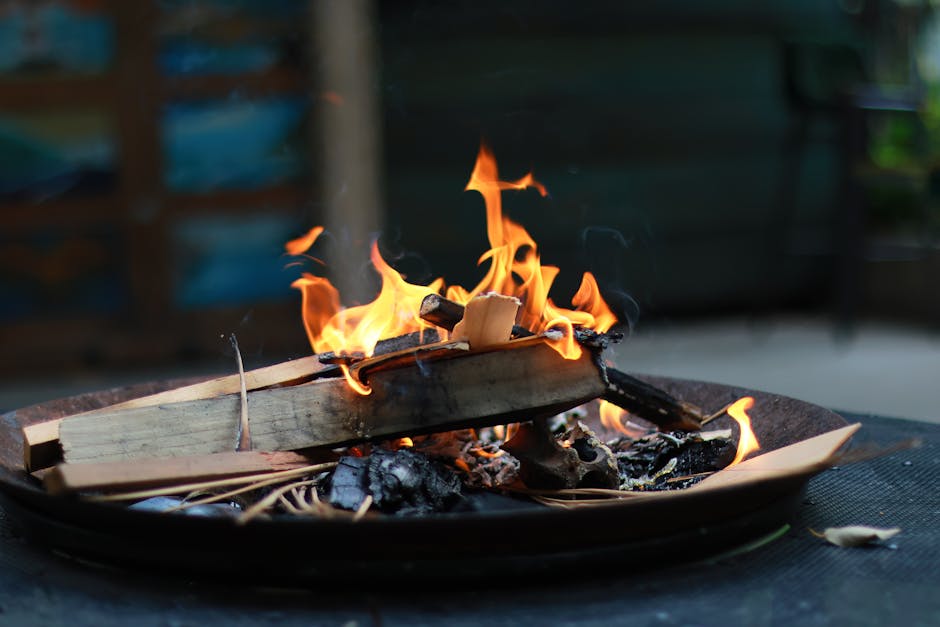
What Should Be Considered Before Building a Fire Pit in Lexington, SC?
Start by reviewing city and county rules, location safety, and how the local climate affects usage. In Lexington, fire pit use is a popular way to extend outdoor enjoyment year-round, but local ordinances may restrict open flames or require specific setbacks from structures and property lines.
- Research local fire codes and guidelines—these can often be found on the City of Lexington, SC and county websites.
- Make sure your planned fire pit location is at least 10 to 25 feet away from buildings, fences, trees, and overhanging branches.
- Think about neighbors: Smoke carries, and prevailing wind directions in the area (wind most often comes from the west and southwest in Lexington) should inform fire pit placement.
Common misconception: Any outdoor spot will do. In reality, spaces near large pine trees or under wooden patio covers increase hazards.
What Makes a Safe Fire Pit Location?
Choose level, open ground with good drainage to prevent fire spread and accidental tip-overs. Lexington residents typically have moderate to large yards, but subdivisions can have compact spaces. Always:
- Avoid building over septic systems, buried utilities, or sprinkler lines.
- Place your fire pit on nonflammable surfaces like gravel, pavers, or bare earth—never directly on grass, wooden decks, or mulch.
- Check that the area stays dry; soggy ground weakens fire pit bases and increases slip risks.
If space is very tight, consider portable fire pits that meet the same siting rules.
Which Materials Are Safe for a Fire Pit in Lexington's Climate?
Select materials that resist heat and stand up to South Carolina’s humidity and summer rains. Concrete blocks, natural stone, and fire-rated bricks are advised for permanent pits. Metal liners add extra protection.
- Avoid river rocks or natural stones collected locally—they can trap moisture and explode under high heat.
- Pressure-treated lumber and composite decking should never line or surround a fire pit.
Most area homes can source suitable gravel or flagstone for surrounds, extending the burn-safe surface by at least 2 to 3 feet around the pit.
How Do You Build a Fire Pit for Safety and Ease of Use?
The safest fire pits are simple circles or squares, about 3 to 4 feet across and 1 to 2 feet high. Stack bricks or stones so joints are staggered, locking them in place. If using a metal ring, set it inside as you build.
Step-by-step basics:
- Dig a shallow, level hole—about 6 inches deep, a bit wider than your ring or planned pit wall.
- Lay a gravel or sand base for drainage and stability.
- Dry-stack your wall stones or bricks; mortar is optional but adds structure.
- Install a fire ring if desired.
- Surround the pit with a 2- to 3-foot buffer of pea gravel, flagstone, or pavers to discourage encroaching grass and reduce trip hazards.
Include wide, stable seating set back at least 3 feet from the edge. Lexington’s weather allows for year-round enjoyment, but summer mosquitoes are common; avoid building pits where standing water collects.
What Ongoing Safety Steps Should Be Followed in Use?
Supervision and preparation make all the difference. Never use flammable liquids to start or relight your fire. Instead, rely on dry kindling and local hardwoods. Keep blazes modest: Fires above knee-height are harder to control.
Always keep:
- A shovel, bucket of sand, or fire extinguisher close by
- The fire attended at all times—never leave children or pets unsupervised
- Burn seasonally appropriate wood; avoid pressure-treated lumber, plywood, and trash
- Fires small and contained, especially during dry or windy periods
After the fire, extinguish thoroughly with water, stirring ashes to ensure all embers are out. Hot embers should never be disposed of in plastic or paper containers.
Are Permits or Notifications Required in Lexington?
Some areas within Lexington, SC and the surrounding county require permits or notification for burning, especially if the pit is to be used for anything other than recreational purposes.
- Recreational fire pits (used for cooking, warmth, or ambiance—not burning yard waste) are generally allowed, but always review updated guidance.
- If in a homeowners' association, review neighborhood rules, as HOA covenants sometimes limit open fires even if they meet city/county standards.
Common misconception: Permits aren’t needed for backyard fires. Local rules may change based on drought, air quality days, or new development patterns.
How Does Weather Affect Fire Pit Safety Here?
Lexington’s hot summers and mild winters encourage year-round fire pit use, but both humid conditions and droughts offer unique challenges.
- Never burn in strong winds (20+ mph) or under open burn bans, which can be announced quickly if wildfire risk spikes.
- Quick-changing summer storms can drown out an unattended fire—remain present to respond.
- Frequent rainfall may cause wood to smolder longer and create persistent smoke if not fully extinguished.
Residents are encouraged to monitor fire pit use closely in dry fall periods, and also be mindful of pollen and allergens that can catch in the breeze and smoke.
What Are Practical Tips for Fire Pit Enjoyment Around Lexington?
Comfort and safety go hand-in-hand. Add sturdy, non-combustible seating (stone benches, metal patio chairs) on the gravel surround. Outdoor lights can help identify edges after dark. Store firewood at least 10 feet away, and avoid stacking logs inside decorative rings right next to the pit.
Many Lexington households enjoy outdoor meals around the fire, but grills or hotdog sticks should be used with caution—watch for loose sleeves and children at play. After each use, scoop all cool ashes into a metal bucket and dispose of them safely.