

 See My Latest Article on HelloNation
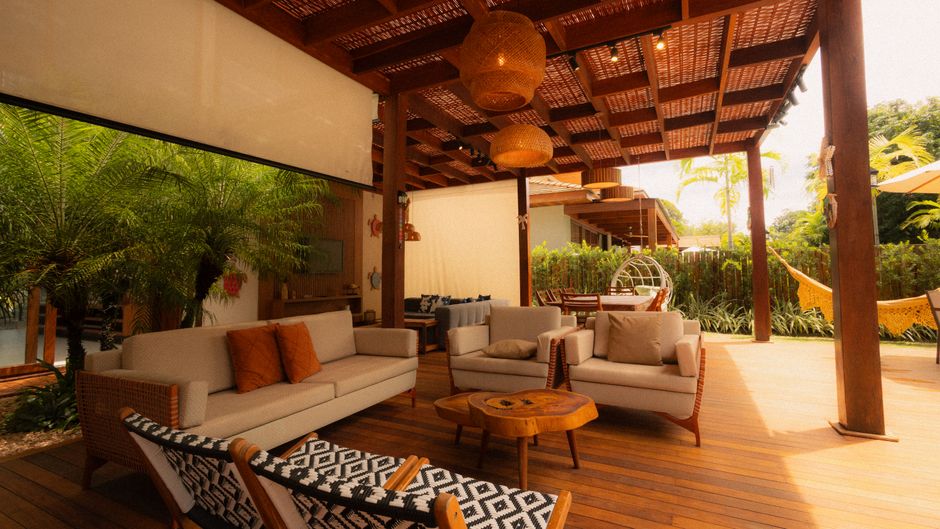
Why Do Outdoor Spaces Get So Hot During Lexington, SC Summers?
Outdoor areas in Lexington, SC can become noticeably uncomfortable as summer temperatures rise into the high 80s and 90s, with humidity adding to the heat. Hard surfaces like patios, decks, and pavers often absorb and radiate warmth throughout the day, while limited shade and stagnant air can make it difficult for these spaces to cool off naturally after sunset. Understanding the main reasons outdoor spaces heat up is key to finding appropriate cooling strategies for local conditions.
Can Shade Make a Noticeable Difference?
Providing shade is the most effective way to lower temperatures in backyards, patios, and porches during the summer. Shaded surfaces can be 10–20 degrees cooler than areas exposed to direct sun. Even in small yards typical of many local neighborhoods, adding or improving shade is possible:
- Install umbrellas, pergolas with vines, or retractable canopies for flexible coverage.
- Use outdoor curtains or shade sails, especially on west- or south-facing patios.
- Consider growing fast-growing native trees or large shrubs on the perimeter for longer-term relief.
Remember that shade not only cools the air but also prevents deck boards, stone, and furniture from becoming uncomfortably hot to touch.
Does Air Movement Help Lower Temperature?
Increasing airflow can make sitting outside feel much more comfortable, even in humid Lexington conditions. While air movement doesn’t lower the air temperature, it helps sweat evaporate and creates a breeze effect.
- Ceiling fans designed for outdoor use can be mounted under covered patios, porches, or pergolas.
- Freestanding oscillating fans are helpful for decks or open seating areas.
- Box fans set on the ground or tabletop can be repositioned easily during different times of day.
Air movement can also help control mosquitoes and discourage other summer pests from lingering.
Are There Ways to Reduce Heat From Hardscapes?
Patio stones, concrete slabs, and brick pavers heat up quickly and hold warmth long after the sun goes down. Several methods can lessen their impact:
- Place outdoor rugs or mats on patios and decks to insulate bare feet from hot surfaces.
- Add container plants or moveable raised beds to shaded areas to break up large expanses of hardscape and reduce heat storage.
- Light-colored finishes on patios and walkways reflect rather than absorb sunlight.
In backyards with gravel or bare spots, adding mulch can prevent surfaces from radiating extra warmth.
What Role Does Irrigation or Misting Play?
Using water to cool the environment is effective but works best with consideration for local water restrictions and humidity. Misting can lower surface and air temperatures for short periods:
- Fine-mist hoses or portable misters positioned around seating areas provide temporary relief, especially on windless days.
- Water features like small fountains or bubbler stones add visual interest and create a cooling microclimate, especially when placed in shaded corners or near gathering areas.
- Sprinklers left running solely to cool patios are often inefficient and can waste water.
Misting is most comfortable when used occasionally during the hottest, driest parts of a Lexington summer afternoon. Be mindful of the area’s humidity; too much moisture can attract insects or make surfaces slippery.
Which Outdoor Fabrics and Finishes Stay Cooler?
Some outdoor furniture and decor materials heat up less than others or provide comfort even in the sun. For summer use:
- Choose fabrics labeled “UV resistant” or “heat reflecting” to prevent seat cushions and pillows from becoming hot.
- Opt for lighter-colored and looser-woven textiles, which stay cooler and dry out faster after rain or misting.
- Avoid metal chairs and tables without cushions, as these can become dangerously hot in full sun.
Seat pads, picnic blankets, and throws made from breathable materials like cotton or performance polyester also help keep seating cooler.
Can Landscaping Lower the Temperature in My Yard?
Landscaping choices have a long-term impact on how comfortable outdoor spaces feel throughout the summer.
- Planting shade trees, especially on the southwest edge of a yard, provides natural cooling and privacy for years to come.
- Dense foundation plantings or vertical gardens help lower surface temperatures around patios and decks.
- Lawns, groundcovers, or mulched plant beds retain less heat than bare soil or hardscaped surfaces.
If space allows, a combination of trees for shade, shrubs for windbreaks, and ground cover for insulation creates the coolest backyard microclimates in the community.
Are Mornings and Evenings More Comfortable Times to Use Outdoor Spaces?
Timing matters for outdoor comfort. Even on the hottest summer days, patios and yards are significantly cooler and more pleasant early in the morning or after sunset. Lexington’s breezes often pick up in the evening, helping offset lingering warmth. If shade or cooling solutions are limited, consider scheduling meals, gatherings, or quiet time outdoors during these natural cooler periods.
What Are Some Common Misconceptions About Cooling Outdoor Spaces?
Some widespread beliefs about staying cool outdoors are less helpful in Lexington’s climate:
- Spraying patios with a hose for a few minutes does not provide lasting relief and may actually create a muggy environment in humid weather.
- Covering patios temporarily with tarps or plastic sheets can trap heat rather than reduce it, especially if air can't circulate.
- Fans only work when air can move—placing a fan in an unshaded, enclosed corner provides minimal benefit.
Always match strategies to Lexington’s typical summer weather—hot, humid, and often sunny from late morning through early evening.
Can Outdoor Cooling Be Achieved Without Major Renovations?
Yes, many effective cooling techniques require minimal changes to existing spaces. Simple additions such as portable umbrellas, weatherproof fans, strategically placed potted plants, or outdoor curtains can all make a significant difference in comfort. Adapting how and when outdoor areas are used also helps households make the most of Lexington’s summers.