

 See My Latest Article on HelloNation
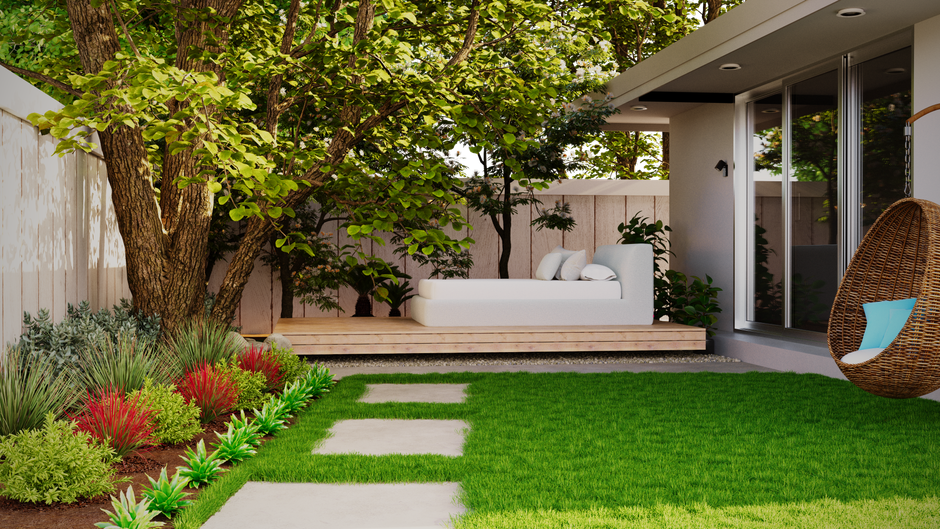
What Should Residents of Lexington, SC Consider Before Starting an Outdoor Living Project?
Before shaping any outdoor area, it helps to clarify how you want to use the space and what’s realistic in the local climate. Residents often ask about balancing relaxation, entertaining, and low maintenance—while making choices that suit the region’s warm, humid summers and mild winters. Start by thinking about your household’s habits, budget, and privacy needs. Walk around your yard at different times of day; notice sun and shade patterns, wind, noise sources, and how you move between inside and outside.
Typical homes in the area offer ample backyard space, but lot shape, existing trees, and HOA rules may all influence your options. Talk with household members about priorities: Do you want a place to grill and dine, a quiet reading nook, or a play space for kids? Jot down your must-haves and wish-list features before mapping anything out.
How Do Local Climate and Site Conditions Impact Layout Decisions?
Central South Carolina’s climate rewards thoughtful planning to improve comfort and enjoyment year-round. In spring and summer, mosquitos and humidity can affect outdoor time. Winters rarely bring snow, so spaces often stay usable with minor adjustments.
Key factors to think about:
- Sun exposure: South-facing patios and decks get hotter mid-day. Pergolas, lattice walls, or well-positioned umbrellas can offer shade. Adding landscape beds on the west side may help block late afternoon sun.
- Drainage: Heavy rainstorms highlight any low-lying spots where water pools. Plan hardscape slopes or French drains so patios don’t become soggy.
- Wind and weather: Screened porches or structures provide shelter from the occasional thunderstorm, while mature shrubs can help shield gathering zones from gusts.
- Bugs: Mosquitos are most active at dawn and dusk—locating sitting areas away from dense shrubs and using outdoor fans can keep them at bay.
Adapting to these realities early prevents headaches and creates a more enjoyable space throughout the seasons.
How Should You Divide Outdoor Living Areas for Multiple Uses?
Successful outdoor living layouts in Lexington often follow a “zoned” approach, organizing spaces for their main uses but maintaining an open, connected feel. Begin by sketching the lot and marking out areas for each activity—for example:
- Cooking and grilling (often near the kitchen door for easy access)
- Outdoor dining
- Lounging and conversation
- Fire pit or fireplace
- Children’s play area
- Garden or planting beds
Paths and low plantings can define zones without feeling closed in. Aim for smooth transitions—for example, stepping from a deck to a dining patio, then onto a lawn. It helps to use materials or colors that tie the areas together, often reflecting the style of the house.
Misconception: Many assume bigger is better. In reality, distinct “rooms” sized for real needs often feel larger and more useful, especially when each zone is customized with proper furnishings and amenities.
What Are Common Layout Mistakes and How Can They Be Avoided?
Certain design pitfalls come up frequently for area homeowners:
- Ignoring traffic flow: Outdoor spaces work best when you can move easily from one area to another. Avoid blocking main walkways with bulky furniture, plan for at least a 3-foot-wide path between key zones, and ensure grills or fire tables aren’t tucked behind tight corners.
- Over-busy designs: Trying to fit too many functions in a modest yard leads to clutter. Prioritize “must-haves” and allow enough open space to breathe.
- Underuse of vertical space: Trellises, planters, and lighting at varied heights not only add privacy but also expand visual interest without taking up extra square footage.
- Underestimating lighting needs: Without good path, task, and ambient lighting, outdoor areas may become inaccessible after sunset. Low-voltage lights, solar stakes, and string lights are practical for the regional climate.
- Forgetting utility access: Place hose bibs and outdoor outlets within easy reach of main activity zones, and if planning features like built-in grills or hot tubs, check for proximity to power and water lines.
Thinking about these details early prevents expensive changes later and results in a seamless, functional setup.
How Can Outdoor Living Spaces Reflect Local Life and Preferences?
Lexington’s strong sense of community, active family life, and appreciation for outdoor gatherings influence layout choices. Residents often entertain relatives and neighbors, cook out frequently, and value spots for both group activities and quiet time.
Some locally informed ideas include:
- Including shaded conversation areas for summer get-togethers
- Integrating outdoor TVs or speakers, but with options for turning off sound in the evenings for neighborhood peace
- Creating pet-friendly surfaces and fencing, common requests for area households
- Leaving open area for yard games, which are popular at weekend cookouts and family celebrations
- Screening or angling gathering spaces for privacy, as newer subdivisions typically have closer-set homes than rural outskirts
By blending these practical preferences, your outdoor space can fit seamlessly into local lifestyle rhythms while making the most of Lexington’s climate and landscape.
What Local Regulations or Restrictions Should Be Checked?
Property improvements are subject to specific guidelines, especially in neighborhoods with homeowners’ associations or along the lakeshore. Always review:
- Lot line setbacks, especially for permanent features
- Pool and fence codes for height and access to ensure safety
- Any HOA architectural guidelines for permitted materials, finishes, or structures
Permits may be required for new decks, electrical work, or large overhangs. The city’s planning office and HOA boards are official resources for up-to-date requirements. Addressing permits and setbacks early avoids costly changes mid-project.
Practical Next Steps for Turning a Plan Into Reality
Start small and flexible—sketch a simple plan based on your outdoor priorities, then “test” the layout by arranging chairs or marking boundaries with garden hoses or string. Pay attention to comfort at different times of day and throughout the week. Adjusting the plan before making lasting changes (like pouring concrete or planting large trees) allows for better decisions and a more personalized result.
By carefully considering Lexington’s specific climate, local lifestyle, and household needs, families can create outdoor living spaces that add genuine value and day-to-day enjoyment.