

 See My Latest Article on HelloNation
Why Is Good Outdoor Lighting Important for Lexington, SC Households?
Well-planned lighting helps local residents enjoy their outdoor spaces well after sunset while also promoting safety and comfort. In Lexington, stable weather for much of the year means outdoor evenings can be regular events. Proper lighting makes pathways safer, highlights landscaping, and discourages unwanted wildlife or trespassers, allowing backyards to feel inviting and secure without being overly bright.
What Types of Lights Work Best for Different Backyard Areas?
Each part of a typical backyard benefits from a specific type of lighting, depending on activities and purpose.
- Pathways and Walkways: Low voltage LED path lights offer visibility without harsh glare. These reduce tripping hazards along walkways and around patios, especially in yards with uneven ground or pavers.
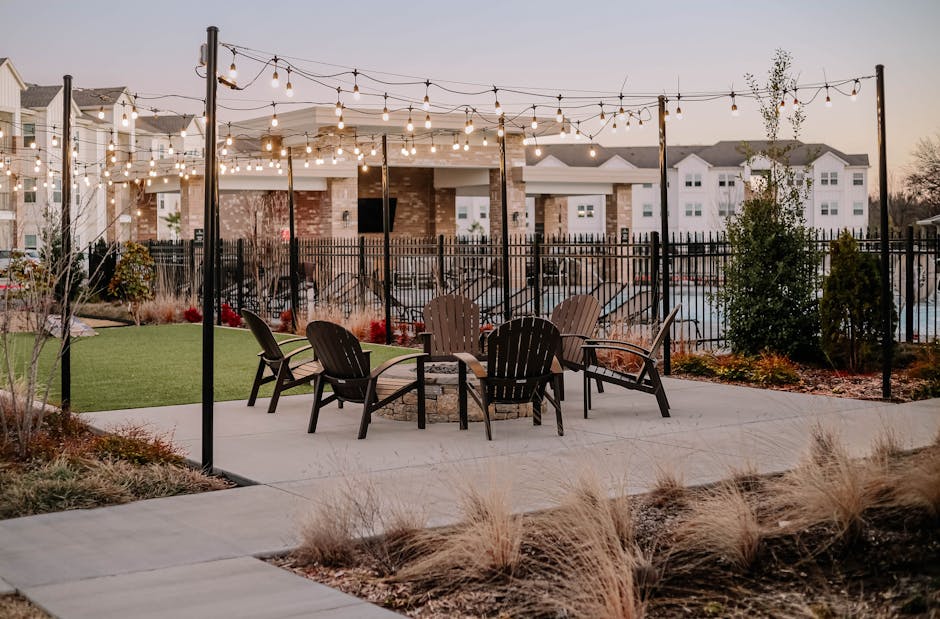
- Patios and Decks: String lights, recessed deck lights, or sconces add ambient light while keeping the vibe relaxed. These options withstand humidity and occasional thunderstorms typical in the region.
- Grilling and Dining Areas: Focused task lighting, such as mounted directional lights or under-rail LEDs, helps during food preparation and evening meals. Select fixtures resistant to rust and moisture due to local summer storms.
- Landscaping and Garden Beds: Spotlights or well lights highlight trees, shrubs, or water features, adding texture and depth to outdoor scenery after sunset.
- Pools and Water Features: Submersible LED lights are popular, but always use fixtures intended for wet locations. Local code may require certain safety measures; always check guidelines for pool electrical safety.
How Does Lexington’s Climate Influence Outdoor Lighting Choices?
Lexington’s climate is warm and humid for much of the year, with intense sunlight, severe thunderstorm potential, and occasional freezing temperatures in winter. Lighting fixtures should have weather-resistant finishes, secure wiring, and moisture protection rated for outdoor use (look for wet or damp location ratings).
Materials like powder-coated aluminum, stainless steel, and specialized outdoor plastics resist corrosion better than untreated metals. Solar-powered lights are an option, but extended cloudy weather or tree cover can reduce their effectiveness—consider solar only for areas receiving full sun most of the day.
Which Lighting Styles Complement Local Home Architecture and Yard Layouts?
Lexington’s neighborhoods blend traditional and contemporary home designs. Classic lantern-style fixtures and warm-white LEDs suit homes with brick or craftsman finishes, while sleek path lighting suits more modern builds or updated ranch-style houses.
For larger yards, blending fixture styles—such as pairing string lights over a dining area with subtle spotlights on landscaping—helps create visual variety without visual clutter. In smaller yards or densely built neighborhoods, focus on subtle and layered lighting to prevent light spillover into neighbors’ yards.
What Are Common Backyard Lighting Mistakes to Avoid?
Several pitfalls can undermine backyard lighting plans, leading to energy waste, annoyance, or even local code violations.
- Excessive brightness: Over-lighting washes out detail and may bother neighbors or wildlife. Use bulbs with moderate lumens and consider dimmers where appropriate.
- Improper fixture placement: Lights pointed outward or upward can cause glare and wasted energy. Direct light downward or shield it to control coverage.
- Ignoring zoning and code requirements: Some neighborhoods have rules about outdoor lighting brightness, placement, or fixture type. Confirm requirements with local authorities, especially if adding new wiring.
- Too many colors or mismatched temperatures: Mixing cool and warm lights can look disjointed. Most area homes look best with warm-white LEDs (2700–3000K).
How Can Area Households Make Outdoor Lighting Efficient and Low-Maintenance?
LED fixtures use much less energy and last longer than older incandescent or halogen bulbs, making them the first choice for cost-conscious and environmentally-minded residents. Set lights on timers or motion sensors to further reduce energy use—especially for security or path lights.
For Lexington’s climate, routine maintenance is minimal for well-chosen fixtures:
- Wipe lenses clean before pollen season
- Double-check exposed wires after major storms
- Replace bulbs with compatible LEDs as needed
- Trim shrubs to keep lights unobstructed
Are There Safety or Legal Concerns With Installing Outdoor Lighting?
For simple solar or battery-powered lights, most installations can be completed without special permits. However, any setup involving new wiring, underground cables, or connections to the household electrical system brings added requirements.
In Lexington, national and local electrical codes specify how outdoor outlets and lighting must be connected to prevent shock or fire hazards. If in doubt, review local regulations or consult publicly available guidance from the city's government rather than attempting complex wiring changes unsupervised.
What Are Practical Tips for Highlighting Seasonal Features in South Carolina Yards?
The region’s long growing season means flowering shrubs, trees, and ornamental grasses can be focal points year-round. Consider repositionable spike lights or replaceable-color LEDs for highlighting azaleas in spring or crape myrtles in bloom.
During the humid summer, check that fixtures are free of moisture buildup. In cooler months, repositioning or switching bulbs can accent evergreen features or illuminate decorative festive displays. Use outdoor-safe extension cords and weather-rated connections for temporary setups.