

 See My Latest Article on HelloNation
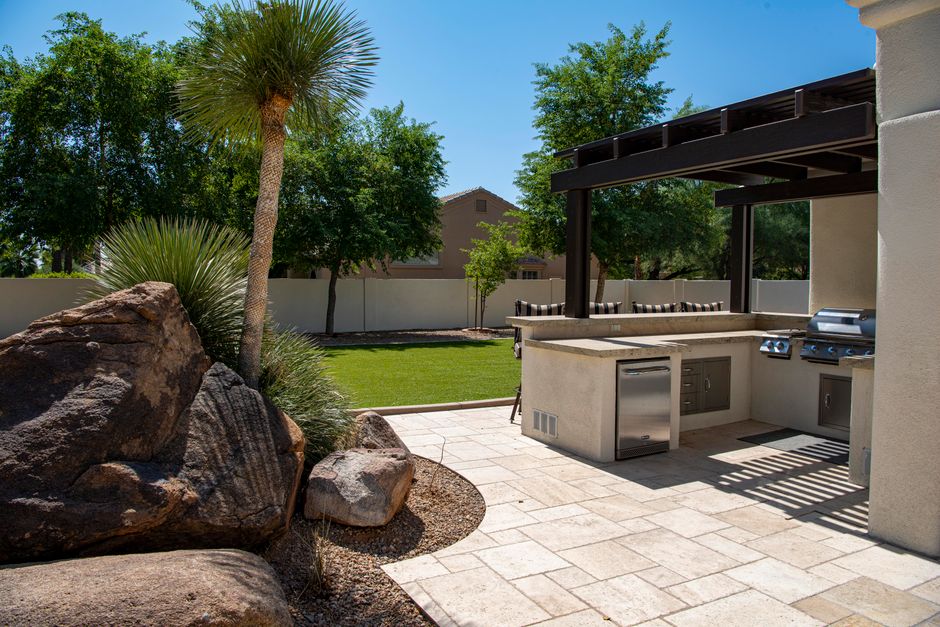
What’s Involved in Installing an Outdoor Kitchen?
Installing an outdoor kitchen in Lexington, SC, means adding a functional cooking and dining space to your backyard that can be enjoyed much of the year thanks to the area’s mild winters and warm, humid summers. The process involves careful planning, understanding local considerations like weather and building codes, and following straightforward construction steps. Many local residents handle much of the work themselves, but all electrical and gas work must meet strict safety regulations.
How Should You Plan Your Outdoor Kitchen Project?
Begin by identifying your goals, layout options, and site constraints. Make a simple sketch of your backyard to determine the best spot—usually a level area close enough to indoor utilities, but far enough from property lines to comply with local zoning rules. In the city, outdoor kitchens are popular on patios, covered porches, and decks.
- Check local building guidelines to see if permits are needed, especially if you plan to add plumbing or permanent electrical connections.
- Factor in wind, shade, and how rainwater drains in your yard.
- Think about how you’ll use the space—grilling, prep work, dining, or entertaining.
Consider typical appliances and features found in area outdoor kitchens:
- Built-in grills or smokers
- Countertops suited to humidity and sudden storms
- Storage cabinets for utensils and fuel
- Mini-fridges or sinks (where plumbing can be extended)
What Materials and Tools Are Needed for Outdoor Kitchen Installation?
Once the design is settled, gather key materials and tools:
Common materials:
- Concrete blocks, steel frames, or modular cabinetry for the kitchen base
- Weather-resistant countertops like granite, tile, or specialized composites
- Cement board and waterproofing materials
- Stainless steel fasteners to minimize rust
- Outdoor-rated electrical outlets and lighting fixtures (if running electricity)
Basic tools:
- Level, tape measure, and framing square
- Masonry saw or circular saw (with masonry blade)
- Power drill, impact driver, and fasteners
- Safety gear (gloves, goggles, hearing protection)
For appliance or utility connections, arrange for a licensed trade professional as local rules require.
What Steps Are Involved in Building the Structure?
After your area is prepped and the location is confirmed, the core structure is assembled:
1. Prepare the Foundation: Most projects in Lexington, SC, use concrete pads or existing patios. Ensure the base is level and drains away from the home to prevent water damage.
2. Build the Frame: Outdoor kitchen frames are often made from steel for durability, especially if moisture is a concern. Concrete blocks are another reliable choice for buildings on grade. For wood-framed projects, pressure-treated or weather-resistant lumber is essential, but always separate wood from soil using masonry or waterproofing layers.
3. Install Cement Board or Backer Board: Attach cement board to the frame with stainless steel screws to provide a sturdy and water-resistant backing for your finish material.
4. Sealing and Waterproofing: In humid climates with summer thunderstorms, a high-quality weatherproof membrane is vital behind any tile or stone finish, especially if installing refrigerators or sinks.
5. Apply Finish Material: Attach your choice of siding—such as stone veneer, brick, stucco, or tile—using mortar or adhesive specified by the manufacturer.
A common misconception is that outdoor kitchens can be installed directly on grass or dirt; in Lexington, this typically leads to damage from flooding or shifting soils.
How Are Appliances and Utilities Safely Integrated?
Most county codes require any permanent electrical, gas, or plumbing work to be completed or inspected by licensed professionals. DIYers can install cabinets and surfaces, but residents must not connect gas lines to outdoor grills or wire electrical circuits without proper certification.
- Appliances such as grills, smokers, and refrigerators must be installed to manufacturer specs, accounting for airflow and clearance from combustible materials.
- If budgeting for utilities, consider shorter runs for gas, electric, or water lines to minimize disruption and cost, and always use outdoor-rated materials.
In Lexington, summer humidity can increase corrosion risks, so using stainless steel and weather-sealed outlets is common practice.
How Do You Ensure Weather Protection and Longevity?
Outdoor kitchens in Lexington face intense sun, high humidity, and frequent rain. Plan for durability by:
- Choosing all-weather cabinetry and fasteners
- Sealing countertops and applying water repellent to stone or brick finishes
- Selecting covers for appliances or building a pergola or roof for extra protection
Check for proper drainage around your kitchen to prevent standing water near the structure. Gutters, French drains, or simple grading away from the installation site can protect your investment.
What Local Codes and Safety Tips Should You Follow?
The city may require permits for outdoor kitchens with built-in utilities. Projects must adhere to:
- Fire codes for grills and open flames (typically a minimum distance from structures and overhangs)
- Proper venting and clearance for propane and natural gas appliances
- Outdoor-rated wiring and GFCI-protected outlets for all electrical work
If you’re unsure about a step that involves utilities or code compliance, consult local permitting offices or review public resources before starting.
What Are Common Mistakes or Overlooked Details in Our Area?
Lexington’s unique climate and soil conditions mean residents often run into these issues:
- Insufficient shade, making the kitchen uncomfortable to use on hot summer days
- Neglecting to seal masonry or concrete surfaces, leading to mildew or freeze-thaw damage in cooler months
- Forgetting to plan for wind direction, which affects grill placement and smoke control
- Underestimating storage needs for outdoor-friendly utensils and cleaning supplies
Addressing these details in your plan can make your outdoor kitchen a long-lasting and comfortable addition for family and guests.