
 See My Latest Article on HelloNation
How Can Rain, Humidity, and Sun Affect Outdoor Furniture in Lexington, SC?
Furniture left outdoors in Lexington, SC faces frequent cycles of rain, humidity, and sunshine. These local climate factors can lead to mildew, wood rot, rust, fading, and general wear.
Prolonged humidity—common in the Midlands—creates ideal conditions for mold and mildew, especially on porous surfaces like cushions and untreated wood. Spring and summer storms can deliver heavy, wind-blown rain, while high UV levels during the hot months fade fabrics and damage plastic. Freeze-thaw cycles are rare but possible during colder spells, which can stress certain furniture materials.
What Materials Hold Up Best in This Area?
Furniture built from weather-resistant materials offers the best baseline protection.
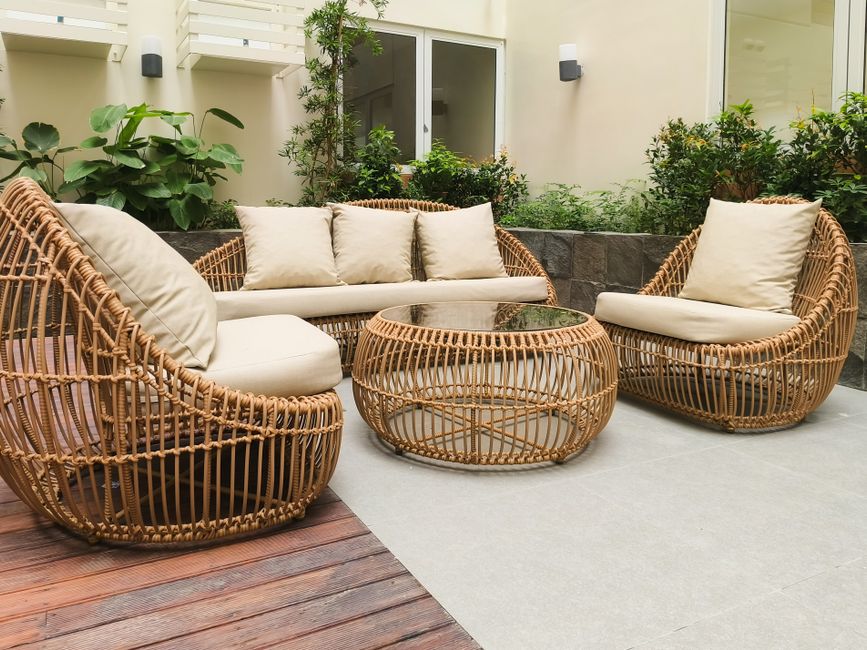
- Synthetic resin wicker, teak, eucalyptus, and certain powder-coated metals handle the region’s cycles of rain and heat most reliably.
- Aluminum resists rust but may still corrode if protective coatings are worn down.
- Wood should be sealed or treated, as many softer woods will swell, split, or rot in constant humidity.
- Outdoor fabrics—such as solution-dyed acrylic or polyester—hold color longer and dry quickly, reducing mildew risk.
Local residents sometimes assume all "outdoor" furniture is equally resilient, but manufacturer labels don’t always match the demands of a Lexington backyard.
How Should Outdoor Furniture Be Cleaned and Protected?
Basic maintenance can prevent most weather-related issues.
Quick local advice:
- Clean surfaces at the start of each spring and after wet spells, using a gentle soap-and-water solution.
- Rinse cushions and fabrics on a sunny, breezy day; allow them to dry fully before returning to service.
- For wood, scrub with a soft brush and add a water-repellent sealant once dry.
Ignoring pollen buildup in the spring—common after the region’s heavy tree blooms—can set the stage for mold and stains if not rinsed off promptly.
Do Covers and Storage Really Make a Difference?
Protective covers are a first line of defense in a Lexington backyard. A well-fitted, breathable cover helps keep out moisture and debris during downpours, pollen season, or when the furniture isn't in use for several days.
- Opt for covers designed specifically for outdoor conditions—look for vented models to prevent trapped moisture.
- Store lightweight or movable items in a sheltered location during extended periods of rain or before predicted thunderstorms.
- Stackable furniture or folding chairs take up less shed or garage space during hurricane season or winter.
Many households set up simple storage hooks in carports or create a dedicated section in the garage for off-season furniture.
What About DIY Sealants and Sprays?
Applying sealants or sprays can extend the lifespan of both wood and fabric. For local residents, a water-based sealant or exterior wood oil provides added resistance against summer storms and sun.
- Teak oils and clear polyurethane are good choices for hardwoods.
- For metal, check for any paint chips or scratches and touch up as needed—use anti-rust sprays for extra protection.
- Fabric protectant sprays can be reapplied every few months to repel water and stains.
One common oversight: skipping the undersides and legs of tables or chairs, where water can pool and start the first signs of damage.
How Do Seasonal Changes Impact Weatherproofing Needs?
Lexington does not see harsh winters, but furniture left out year-round still faces shifting conditions. Spring and summer bring high humidity, thunderstorms, tree pollen, and intense sun. The fall is often milder, but leaves and acorns can stain or abrade delicate surfaces.
- After each season, inspect for early signs of damage—loose screws, cracked wood, or mildew spots are easier to manage early on.
- Reseal or reapply protective treatments when surfaces no longer repel water or when colors begin to fade more quickly.
Misjudging when to prep furniture for a new season is a top reason for early wear in the community.
What Should You Avoid Doing When Weatherproofing Furniture?
Some well-meaning habits can backfire:
- Using harsh pressure washers: These can strip protective coatings and force water into seams.
- Draping plastic tarps directly over surfaces: Without ventilation, this can trap moisture and cause mold.
- Ignoring manufacturer instructions: Sometimes, specific materials are best left untreated or require particular cleaning products.
Understand the material and follow best practices rather than shortcuts or improvised techniques.
Are There Overlooked Ways to Limit Weather Damage?
A bit of planning can prevent recurring problems. Place furniture under covered patios when possible, or use umbrellas to provide occasional shade.
- Grouping pieces together and covering them as a set is more efficient and reduces total exposed surface.
- Raising legs slightly off bare ground using protective pads or risers mitigates the trapped moisture problem after heavy storms.
- Rotating cushions so no single area bears the brunt of the sun will slow fading and uneven wear.
Simple, habitual practices make a noticeable difference for Lexington households wanting to keep outdoor living areas looking inviting all year.