

 See My Latest Article on HelloNation
What Types of Shade Are Found in Lexington, SC Yards?
Shade in local outdoor spaces can range from full, dense shade to spots that receive just a few hours of indirect sunlight. Recognizing your shade type helps narrow plant choices. Yards in this area often feature:
- Dappled or filtered shade under large oak, pine, or maple trees
- Open shade on the north or east side of homes, garages, or fences
- Deep shade beneath evergreen trees or in tight courtyards
Test a spot by watching it for a few days in late spring or early summer. If an area gets less than four hours of direct sun, it’s considered shade. Less than two hours is deep shade; areas lit only by reflected or indirect light need the most shade-adapted options. These distinctions matter since some plants tolerate a little sun, while others thrive only in almost complete shade.
Which Shade-Loving Plants Are Most Reliable for Lexington’s Climate?
Plants that thrive in low light and humid, variable temperatures do well locally. Reliable options include both flowering perennials and leafy groundcovers. Good choices for Lexington include:
- Hellebores (Lenten rose): Evergreen, blooms late winter—handles our winter lows and summer humidity.
- Hostas: Wide variety of sizes and leaf shapes—choose thicker leaves for deer resistance.
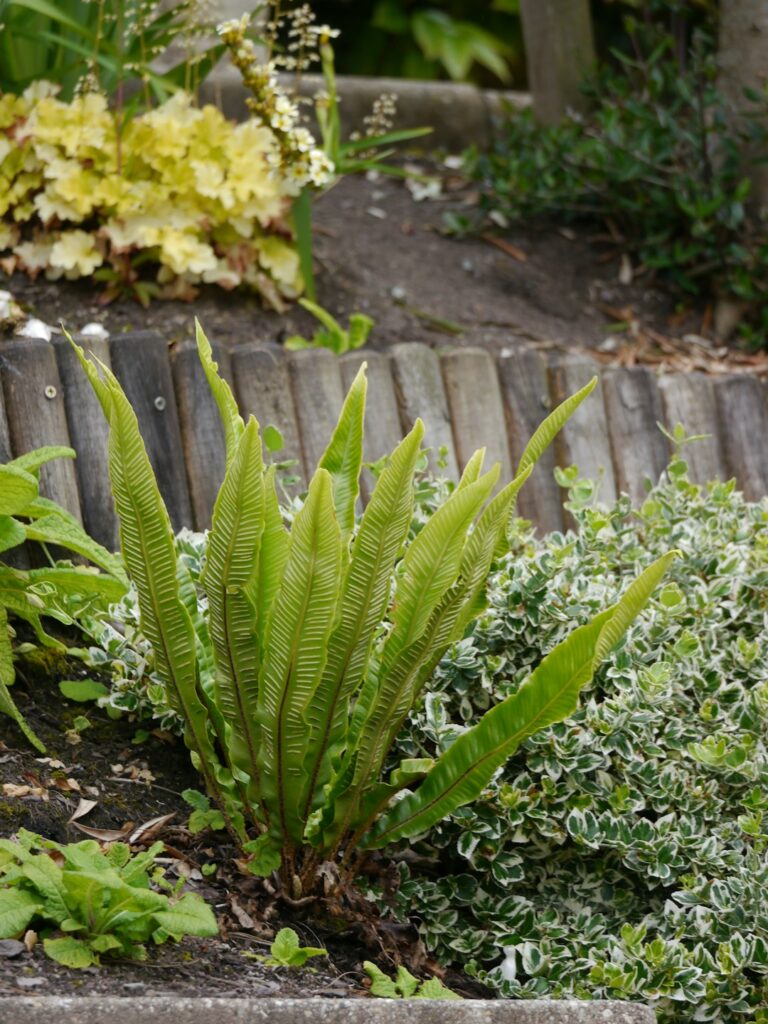
- Ferns: Autumn, Christmas, and Southern shield ferns are dependable and low-maintenance.
- Heuchera (Coral bells): Rich colored foliage—helps add visual interest even without flowers.
- Ajuga (Bugleweed): Low, spreading groundcover with blue flower spikes in spring.
Consider native options—which tend to be more drought and pest-resistant—such as wild ginger, green and gold (Chrysogonum), or foamflower for an easy-to-maintain shade bed.
How Should Soil Preparation Differ for Shady Areas?
Shaded spots often have competition from tree roots, dry soil, and sometimes compacted ground from traffic or runoff. To give plants the best start:
- Loosen soil as much as root competition allows, to at least 6-8" deep
- Mix in several inches of compost to improve moisture retention and nutrient content
- Avoid heavy fertilizers; too much nitrogen can promote foliage, but not blooms
- Top with 2-3" of fine mulch (like pine straw or shredded bark) to cool roots and suppress weeds
Water newly planted shade gardens a bit more often during their first season, as they may compete with tree roots until established.
How Can Local Residents Add Color and Variety in Shade?
Flower color is possible, but shade gardens often shine through foliage textures and shapes:
- Pair bold-leaved hostas with fine-textured ferns
- Use variegated (multi-colored) leaves—like those on spotted deadnettle or variegated Solomon’s seal—to brighten dim corners
- Plant pockets of blooming perennials (such as astilbe or bleeding heart) for spring color, then rely on leaf interest the rest of the year
- Add annuals like impatiens or caladiums for quick pops of summer color, especially in beds by patios or shaded walkways

Grouping plants with similar water and shade needs keeps maintenance simple and beds more resilient.
What Common Mistakes Should Area Gardeners Avoid?
Shade beds can still struggle if a few overlooked issues arise:
- Trying to grow sun-loving plants (roses, daylilies, most herbs) in too much shade; they’ll become leggy and rarely flower
- Planting too shallowly or not loosening compacted soil, leading to drying or root competition from trees
- Overwatering—shade beds generally need less frequent water than sunny spots, but root competition from trees can complicate this. Watch for signs of wilting or yellowing leaves.
- Ignoring pest or wildlife issues, like deer browsing hostas, or slugs in wet, mulched zones. Choose resistant varieties and keep mulch pulled away from stems.
Remember that some shade is quite dry, especially under mature trees, while dense, low-lying shade can be damp. Check your site before selecting plants.
Are There Native Alternatives That Support Wildlife?
Local wildflowers and groundcovers adapted to less sun not only conserve resources but also provide pollinator and bird support:
- Foamflower and wild ginger are host plants for butterfly larvae
- Solomon’s seal and green and gold supply nectar for early bees
- Native ferns offer cover for small birds and insects
Using a mix of these native shade-adapted species—often available from plant exchanges or local educational gardens—strengthens both your landscape’s resilience and its value as a mini-ecosystem.