

 See My Latest Article on HelloNation
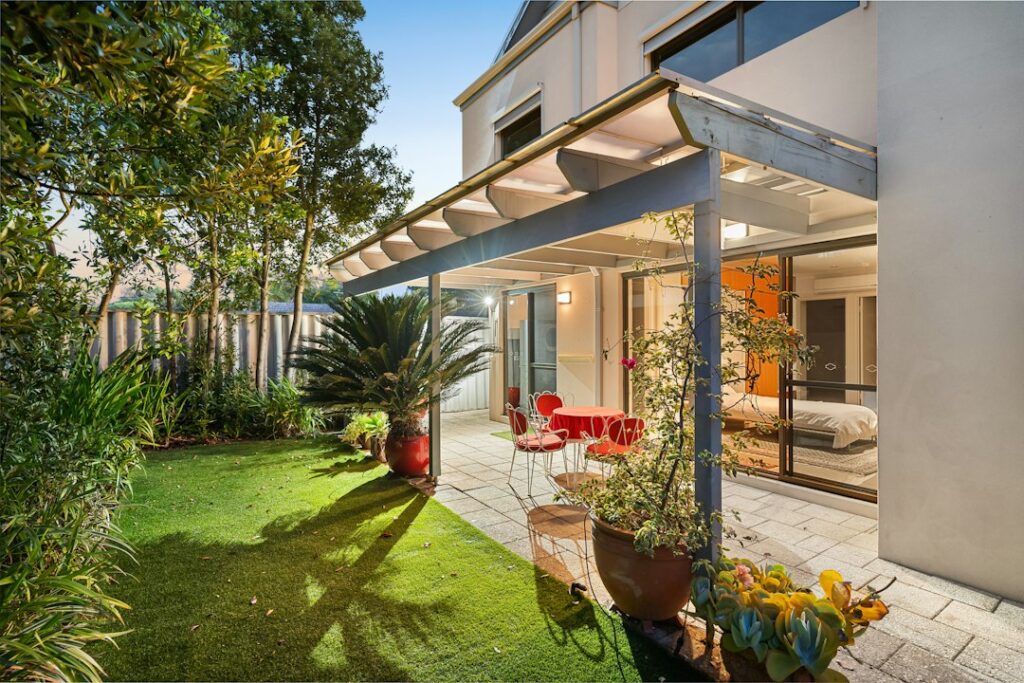
Outdoor living in an urban setting does not require a large yard. In Lexington, SC, useful outdoor space can be created on a compact patio, narrow side yard, balcony, townhouse courtyard, or small back garden. The most successful designs usually focus on comfort, shade, drainage, privacy, and flexible use rather than adding as many features as possible.
How can a small outdoor area serve more than one purpose?
A compact space works better when each feature supports multiple activities. A small patio might function as a morning coffee area, a place for outdoor meals, and a quiet evening sitting space if the furniture is easy to move or rearrange.
Consider dividing the area into simple “zones” rather than building separate rooms:
- A seating zone with two chairs or a compact bench
- A dining zone using a folding table or narrow table
- A planting zone along a wall, fence, or railing
- A circulation area that remains open for movement
Furniture with built-in storage can hold cushions, gardening tools, or outdoor games. A bench may provide seating while also storing supplies underneath. Stackable chairs can be moved aside when the space is needed for other activities.
Avoid filling every open area. In a small urban yard, a clear walking path often makes the space feel more comfortable than additional furniture would.
What types of shade work well in a warm climate?
Shade is one of the most useful improvements for an outdoor space in Lexington. Summer heat and strong afternoon sun can make an otherwise attractive patio difficult to use. Shade also helps protect furniture, fabrics, and plants from weather-related wear.
Possible shade solutions include:
- A covered porch or roof extension
- A retractable or fixed shade canopy
- A pergola with climbing plants or a separate shade covering
- Large umbrellas positioned to avoid blocking walkways
- Outdoor curtains on a covered structure
- Shade trees placed where mature roots and branches will not interfere with structures
A permanent roof provides more dependable protection from sun and rain, but it can change drainage patterns and may require approval under local rules or neighborhood restrictions. Freestanding shade structures are more flexible but still need secure anchoring, especially during strong storms.
Before adding shade, observe the yard at different times of day. Afternoon sun may come from a different direction than expected, and a structure that shades one seating area may leave another exposed.
How can residents create privacy without making a small yard feel closed in?
Urban outdoor spaces often sit near neighboring homes, streets, driveways, or shared property lines. Privacy can be improved without building a solid wall across the entire area.
Layered screening usually feels more natural than a single tall barrier. Options include:
- Open-lattice panels
- Narrow planting beds
- Tall containers with suitable plants
- Fences with spaced boards
- Outdoor curtains that can be opened or closed
- Trellises with vines
- Changes in furniture placement that turn seating away from nearby views
Privacy plants should be selected for mature size, sunlight needs, water requirements, and root behavior. A plant that fits a container when purchased may eventually become too large for the location. Keeping screening slightly inside the property line also allows room for maintenance and reduces conflict with fences, sidewalks, and drainage paths.
What should be considered for drainage and heavy rain?
Good drainage is essential in any outdoor living area, particularly where paved surfaces are added near a home. Water should move away from the foundation without being directed toward neighboring property, walkways, or low sections of the yard.
Before installing pavers, concrete, gravel, or a covered structure, look for:
- Existing low spots where water collects
- Downspouts that discharge near the proposed patio
- Soil that remains saturated after rain
- Slopes leading toward the home
- Water flowing from roofs or adjacent paved surfaces
- Areas where mulch or soil washes away
Permeable materials, such as certain types of gravel or open-joint pavers, may allow more water to enter the soil than a fully sealed surface. However, no material automatically solves a drainage problem. The base, slope, soil conditions, and surrounding grades matter just as much.
A narrow strip of planting soil can also help slow runoff, but it should not be used to conceal water moving toward a foundation. Persistent standing water, erosion, or foundation moisture may require evaluation for safety and property protection.
How can an outdoor space stay comfortable through the seasons?
A year-round outdoor area in the Southeast usually needs adjustments rather than one permanent setup. Hot, humid summers call for shade, airflow, and seating materials that dry reasonably quickly. Cooler months may be more comfortable with protected seating, warm lighting, and removable cushions.
Seasonal planning can include:
- Removable cushions stored in a dry location
- Outdoor rugs that do not trap moisture against the surface
- Furniture positioned to capture breezes in warm weather
- A covered area for protection from rain
- Containers that can be moved based on sunlight
- Lighting for shorter winter evenings
- Plant selections that tolerate local heat and occasional cold snaps

Heating devices require careful placement and safe clearance from roofs, walls, railings, curtains, and combustible furniture. They should never be used in enclosed areas unless specifically designed and approved for that use.
Which materials are practical for compact outdoor areas?
The best material depends on exposure, maintenance expectations, drainage, and how the space will be used. Concrete is durable and provides a stable surface, but it can become hot and may show cracks over time. Pavers are easier to repair in sections, although uneven settling can create tripping hazards.
Wood and composite decking can work well for elevated areas, but they require attention to ventilation, fasteners, surface temperature, and moisture. Gravel is flexible and often easier to install in small spaces, but it can shift, spread, or become difficult for furniture and mobility devices.
For furniture, look for designs that allow air to circulate and water to drain. Cushions should not remain wet against a wall or floor. Metal components should be checked for rust, especially where finishes have been damaged.
Using fewer materials generally makes a small space look more organized. Repeating one paving material, one furniture finish, and a limited planting palette can create visual continuity without making the area feel crowded.
How can lighting improve safety and usability?
Outdoor lighting should make steps, changes in elevation, entrances, and walking paths easier to see. It can also extend the useful hours of a patio without creating glare for neighbors or nearby drivers.
Useful lighting locations include:
- Steps and retaining edges
- The route between the home and seating area
- Outdoor dining surfaces
- Near gates and storage areas
- Around changes in paving or grade
- Under covered structures
Soft, shielded lighting is usually more comfortable than bright fixtures aimed across the yard. Avoid placing cords across walking paths, and use equipment rated for outdoor conditions. Electrical work, new outlets, and permanently installed fixtures may require code compliance or qualified installation.
What rules should be checked before changing an outdoor space?
Small improvements may still be affected by property lines, easements, drainage requirements, neighborhood covenants, utility access, and local permitting rules. Covered structures, retaining walls, fences, electrical work, and changes near property boundaries deserve particular attention.
Before construction, check the applicable requirements for the property and confirm the location of underground utilities. Measurements should be taken from reliable property information rather than assuming an existing fence marks the exact boundary.
A simple furniture arrangement, container garden, or movable shade element may involve fewer restrictions than a permanent addition. Even so, safe anchoring and clear access should remain priorities.
What is a realistic starting plan for a small urban yard?
Begin by observing how the space is used now. Note where sunlight falls, where water collects, how people enter and leave, and which views need screening. Then choose one primary purpose, such as dining, relaxing, gardening, or entertaining.
A practical sequence is:
- Improve drainage and walking surfaces first.
- Add shade where heat limits use.
- Select appropriately scaled furniture.
- Create privacy only where it is needed.
- Add plants, storage, and lighting after the main layout is working.
This approach helps prevent common problems such as oversized furniture, blocked access, poorly placed structures, and outdoor features that look attractive but are uncomfortable to use. In a compact setting, thoughtful spacing and dependable weather protection often matter more than the number of features included.